
Brian Gonzalez
Boat Pricing Index
TL;DR - Executive Summary
The recreational boating market has experienced extraordinary price volatility since 2020, fundamentally reshaping the landscape for buyers, sellers, and industry participants. This comprehensive analysis examines pricing trends across all major boat categories, providing critical insights for informed decision-making in today's complex market environment.
New outboard boat prices increased 44% from 2019 to 2022
Source: National Marine Manufacturers Association (NMMA)
The post-pandemic boating boom created unprecedented demand, driving prices to historic highs. While the market has begun normalizing in 2024-2025, prices remain significantly elevated above pre-pandemic levels. Understanding these trends is essential for anyone considering entering or exiting the boat market.
Key Market Indicators
Global Average Boat Price | $203,000 (+2.4% YoY)
New Boat Average Price | $174,000 (-3.4% YoY)
Used Boat Average Price | $211,500 (+4.2% YoY)
PPI Boat Building Index | 400.29 (Sep 2025)
Price Change 2019-2022 | +44% (new outboard boats)
Market Outlook | Normalizing, buyer-friendly
New Boat Average Price | $174,000 (-3.4% YoY)
Used Boat Average Price | $211,500 (+4.2% YoY)
PPI Boat Building Index | 400.29 (Sep 2025)
Price Change 2019-2022 | +44% (new outboard boats)
Market Outlook | Normalizing, buyer-friendly
- Key pricing indicators across the recreational boating market
Historical Price Trends: 2020-2025
The recreational boating industry experienced a dramatic transformation beginning in 2020. The COVID-19 pandemic triggered an unprecedented surge in boating interest as Americans sought safe outdoor recreational activities. This demand shock, combined with supply chain disruptions, created a perfect storm for price escalation.
The Pandemic Boom (2020-2021)
In 2020, boat sales skyrocketed to a 13-year high, reaching levels not seen since before the Great Recession. The industry was caught off guard, as most manufacturers had anticipated an economic downturn and reduced production just as demand was exploding. This supply-demand imbalance set the stage for significant price increases.
• 2020 saw boat sales reach their highest level since 2007
• Multi-year waitlists developed for popular models
• Used boat inventory reached historic lows
• First-time buyers flooded the market
Price Surge Period (2022-2023)
The price surge reached its peak in 2022, with new boat prices increasing an average of 10% year-over-year. Several factors contributed to this sustained increase including supply chain challenges, labor shortages, fiberglass shortages, elevated inflation rates, and rising costs of raw materials, labor, and transportation.
Year | New Boats | Used Boats | Market Condition
2020 | Baseline | Baseline | Pandemic surge
2021 | +15-20% | +25-30% | Peak demand
2022 | +10% | +8-10% | Sustained growth
2023 | +2-5% | Flat | Normalizing
2024 | -3.4% | +4.2% | Diverging trends
2025 | Flat to +2% | Stabilizing | Buyer's market
2021 | +15-20% | +25-30% | Peak demand
2022 | +10% | +8-10% | Sustained growth
2023 | +2-5% | Flat | Normalizing
2024 | -3.4% | +4.2% | Diverging trends
2025 | Flat to +2% | Stabilizing | Buyer's market
- Annual price changes in the recreational boating market
Market Normalization (2024-2025)
The market began normalizing in 2024, with the Boats Group Mid-Year Market Index showing global average boat prices rose 2.4% to $203,000, breaking away from the stagnant trends of 2023. However, a notable divergence emerged between new and used boats: new boat prices fell 3.4% to $174,000, while used boat prices increased 4.2% to $211,500.
The Producer Price Index (PPI) for Boat Building reached 400.291 in September 2025, representing significant inflation from the December 1981 baseline of 100. This index has risen from approximately 320 in early 2020, demonstrating the sustained upward pressure on manufacturing costs.
Pricing Analysis by Boat Type
Different boat categories have experienced varying price trajectories, influenced by demand patterns, production costs, and market positioning. This section provides detailed analysis of pricing trends across major boat categories.
Pontoon Boats
Pontoon boats continue to dominate the market as one of the most popular choices for recreational boaters. The average listing price for pontoon boats currently stands at $46,344, with prices ranging from $9,984 for basic models to $212,500 for luxury configurations.
Size Category | New Price Range | Typical Engine
Small (16-18 ft) | $16,000 - $28,000 | 50-90 HP
Medium (20-22 ft) | $28,000 - $50,000 | 90-150 HP
Large (24-26 ft) | $50,000 - $90,000 | 150-250 HP
Premium/Luxury | $90,000 - $200,000+ | 250-450+ HP
Medium (20-22 ft) | $28,000 - $50,000 | 90-150 HP
Large (24-26 ft) | $50,000 - $90,000 | 150-250 HP
Premium/Luxury | $90,000 - $200,000+ | 250-450+ HP
- Pontoon boat pricing by size and configuration
Used pontoons are expected to range from $15,000 to $50,000 depending on age and condition. Pontoon boats typically depreciate 25-30% after the first year or two of ownership, faster than many other boat types due to their recreational nature.
Bass Boats
Bass boats have experienced some of the most dramatic price increases in the industry. Analysis of the Nitro Z19 Pro provides a clear illustration of the pricing trajectory:
Year | MSRP | YoY Change | Cumulative
2020 | $44,295 | Baseline | Baseline
2021 | $44,995 | +1.6% | +1.6%
2022 | $50,395 | +12.0% | +13.8%
2023 | $58,995 | +17.0% | +33.2%
2024 | $61,995 | +5.0% | +40.0%
2025 | $59,995 | -3.2% | +35.5%
Nitro Z19 Pro MSRP progression 2020-2025
From 2020 to 2024, the Z19 Pro increased from $44,295 to $61,995—a 40% increase with minimal feature changes. Notably, 2025 saw a rare 3.2% decrease to $59,995, signaling potential market softening in the bass boat segment. Current bass boat prices on the market range from approximately $8,875 for entry-level models to $113,273 for premium tournament rigs.
Center Console Boats
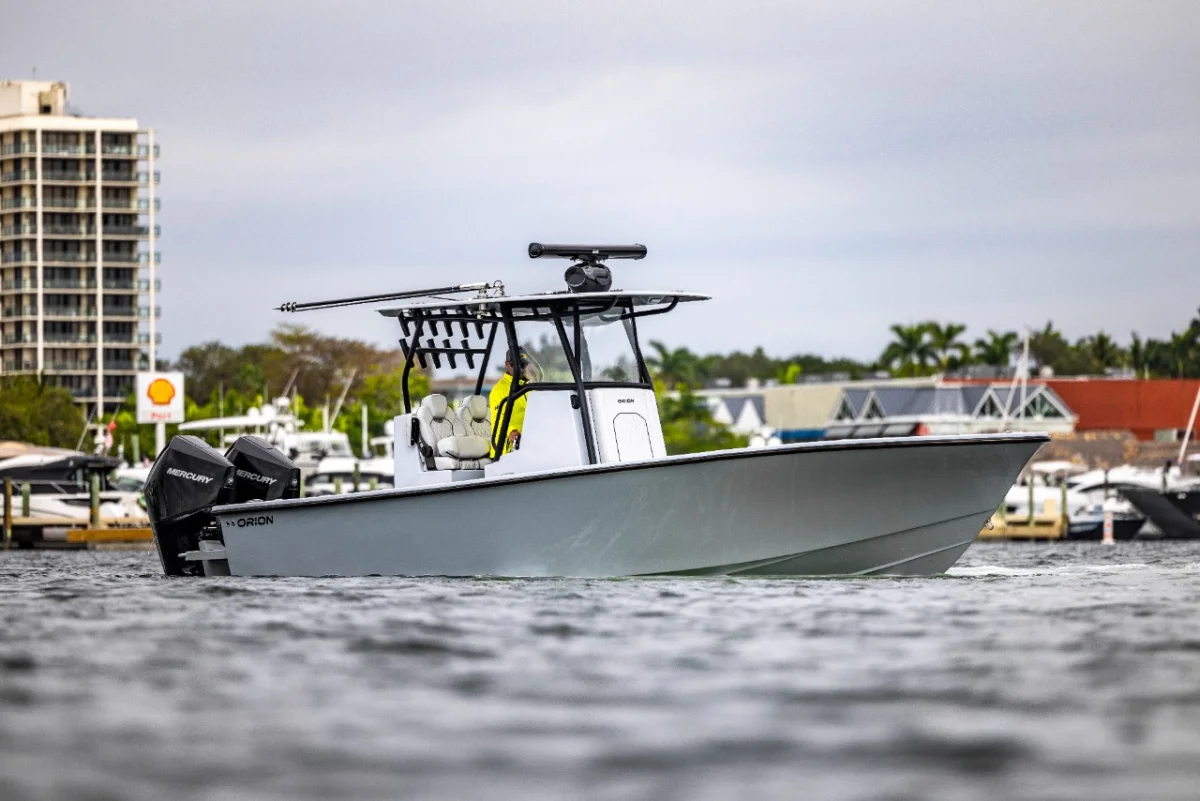
Center consoles remain the most popular and versatile boat type on the water, typically ranging from 13 to 30 feet. The segment is projected to grow at a CAGR of 7.80% through 2030. Prices vary dramatically based on size and features:
Size Category | New Price Range | 2024 Avg Sale Price
Under 20 ft | $25,000 - $60,000 | $45,000
20-24 ft | $50,000 - $100,000 | $75,000
24-26 ft | $60,000 - $150,000 | $91,000
26-35 ft | $100,000 - $300,000 | $175,000
36-45 ft | $300,000 - $600,000 | $327,000
46+ ft | $500,000 - $2,500,000+ | $500,000+
- Center console pricing by size category
For boats under 26 feet—the primary market driver—the average vessel price dropped 2.5% to $91,000 in 2024, driven by increased supply and normalized demand. However, the 36-45 foot segment saw an 18% increase in average sale price to $327,000 despite a 12.3% drop in unit sales.
Ski and Wakeboard Boats
The ski and wakeboard segment features premium brands like MasterCraft, Nautique, Malibu, and Tigé, with prices ranging from $9,900 for older used models to over $436,000 for top-tier new vessels. The Malibu Wakesetter series, among the most popular in the segment, shows prices from $24,904 to $324,691 with an average of $115,100.
These boats feature powerful inboard engines averaging 375 HP, specialized hull designs for wake creation, and premium amenities. Mastercraft tends to command slightly higher prices than Malibu across comparable models due to perceived build quality advantages.
Bowrider Boats
Bowriders offer versatility for cruising, fishing, and watersports. The Bayliner brand provides accessible entry points with the VR4 averaging $37,177, VR5 at $38,668, and VR6 at $45,550. The average purchase price for a 20-foot bowrider ranges from $10,000 for used models to $60,000 for new vessels, with some luxury models reaching $150,000 or more.
Used bowriders are expected to range from $20,000 to $60,000 depending on age, brand, and condition. Premium brands like Sea Ray command significant premiums over entry-level manufacturers.
Yachts and Larger Vessels
The yacht market experienced distinct dynamics with the global market estimated at $9.39 billion in 2023, projected to reach $13.29 billion by 2030 at a 5.1% CAGR. The luxury yacht segment was valued at $10.7 billion in 2023 with projected 6% annual growth through 2032.
Size Segment | Average Price | Price Change
36-45 feet | $261,590 | +8.76%
46-55 feet | $499,979 | -2.87%
56-79 feet | $1,500,000 | -0.97%
80+ feet | $4,100,000 | +4.95%
- Average yacht prices by size segment (2024)
Superyacht sales totaled only 203 units in 2023, down from 245 in 2022 and a record 313 in 2021. American buyers accounted for nearly 25% of global superyacht purchases, while Europe led with 37% of all sales. Motor yachts dominate with 67.25% market share in 2024, while hybrid-electric yachts represent the fastest-growing segment at 10.40% CAGR through 2030.
Pricing Analysis by Size
Boat length remains one of the primary determinants of price. The 2024 Boats Group Market Index revealed distinct pricing patterns across size categories:
Length | H1 2024 Units | Avg Price | Price Change
Under 26 ft | 12,000+ | $91,000 | -2.5%
26-35 ft | 5,000+ | $175,000 | +3.2%
36-45 ft | 2,022 | $327,000 | +18.0%
46-55 ft | 540 | $500,000 | -2.9%
56-79 ft | 251 | $1,500,000 | -1.0%
80+ ft | 73 | $4,100,000 | +5.0%
- 2024 H1 average prices and sales by length segment
Boats under 26 feet represent the highest volume segment, with over 12,000 units sold in H1 2024. This segment has become a buyer's market with more negotiating power available. Conversely, larger boats (36+ feet) remain a seller's market with limited deals, especially for cash buyers.
Depreciation Rates and Value Retention
Understanding depreciation is crucial for both buyers and sellers. Unlike automobiles, boats generally depreciate more slowly due to less frequent use, but the pattern varies significantly by boat type.
General Depreciation Patterns
Ownership Period | Depreciation | Value Retained
Year 1 | 10-30% | 70-90%
Years 2-5 | 5-10% per year | 50-70%
Years 6-10 | 2-5% per year | 40-60%
After 10 years | Minimal | ~$100/foot
Year 1 | 10-30% | 70-90%
Years 2-5 | 5-10% per year | 50-70%
Years 6-10 | 2-5% per year | 40-60%
After 10 years | Minimal | ~$100/foot
- Typical boat depreciation curve by ownership period
Depreciation by Boat Type
• Pontoon and Fishing Boats: Depreciate faster, with resale values dropping 25-30% after the first year or two
• Sailboats and Yachts: Depreciate slower, typically maintaining around 90% of value after three years
• Premium Brands: Retain value 3-5% better annually due to strong reputation and resale demand
• Saltwater vs. Freshwater: Saltwater boats depreciate faster due to corrosion and increased wear
Well-maintained boats can command 10-20% premiums over market averages. Key factors affecting value retention include documented maintenance history, regular servicing, proper winterization, indoor storage, and brand reputation.
Regional Price Variations
Geographic location significantly impacts boat pricing due to variations in demand, boating seasons, and market conditions. In 2022, Florida led the nation with $6.3 billion in boat sales, substantially outpacing all other states.
Region | Price Premium
Florida | +10% to +15%
California | +8% to +12%
Great Lakes Region | +5% to +8%
Texas | Standard pricing
Pacific Northwest | +3% to +5%
California | +8% to +12%
Great Lakes Region | +5% to +8%
Texas | Standard pricing
Pacific Northwest | +3% to +5%
- Regional price premiums relative to national average
Seasonal timing also affects pricing significantly. Spring (March-May) commands peak pricing with 15-20% premiums over winter months. Summer (June-August) maintains strong prices with quick sales, while fall and winter represent better buying opportunities with motivated sellers.
Key Market Factors Influencing Prices
Economic Factors
1. Interest Rates: Boat loan rates currently average 7-10% depending on credit, up significantly from pre-pandemic levels
2. Inflation: Persistent inflation has increased raw material, labor, and transportation costs
3. Oil Prices: As a key component in fiberglass, oil price fluctuations directly impact production costs
4. Consumer Confidence: Economic uncertainty affects discretionary spending on luxury items like boats
Supply Chain Factors
Post-COVID supply chain disruptions persist in yacht and boat manufacturing, with specialized components experiencing extended lead times and cost inflation. Key challenges include fiberglass material shortages, labor constraints in manufacturing, semiconductor shortages affecting marine electronics, and shipping container availability and costs.
2026 Market Outlook
Looking ahead to 2026, the boating market is expected to continue its normalization trajectory with several key developments:
Price Projections
• New Boats: Anticipated 2-5% price increases due to supply chain constraints and inflation, though potential for modest decreases exists as demand softens
• Used Boats: Expected stabilization or slight price reductions as pandemic-era inventory enters the secondary market
• Luxury Segment: Continued strength in vessels over 80 feet with projected 12.2% CAGR growth
Market Dynamics
The NMMA Q3 2025 Marine Leadership Barometer shows 40% of executives have a positive 12-month outlook, up from 32% in Q2. The market is shifting to favor buyers for vessels under 30 feet, with more inventory and negotiating power available. Manufacturers are expected to focus on simpler, lighter, more affordable entry-level models to attract younger buyers.
Emerging Trends
• Electric Propulsion: Global market projected to grow from $6.78B (2024) to $14.09B (2030) at 13.5% CAGR
• Hybrid Systems: Currently represent 76% of electric vessel market, with diesel-electric gaining momentum
• Autonomous Technology: Expected mainstream adoption of autonomous docking by 2026
• Alternative Access: Boat club memberships up 25-30%; fractional ownership market at $1.47B with 7.2% CAGR
Strategic Recommendations
- For Buyers
1. Consider 2-3 Year Old Boats: Already absorbed steepest depreciation while often being in excellent condition
2. Leverage Current Market Conditions: Sub-30-foot market offers more negotiating power
3. Time Your Purchase: Fall and winter offer better pricing; year-end clearance events provide significant savings
4. Research Premium Brands: Better value retention offsets higher initial costs
5. Budget for Total Cost: Include insurance, maintenance, storage, and financing in your calculations
- For Sellers
• List in Spring: Pre-season timing captures peak demand
• Document Maintenance: Complete records can add 10-20% to selling price
• Price Realistically: Market has shifted; overpricing leads to extended time on market
• Consider Upgrades: Strategic updates to electronics and key systems can enhance value
Conclusion
The recreational boating market has undergone a remarkable transformation since 2020. While prices remain significantly elevated above pre-pandemic levels, the market is normalizing with distinct opportunities emerging for both buyers and sellers.
Key takeaways include the 44% price increase in new outboard boats from 2019-2022, divergent trends between new (declining) and used (stabilizing) boat prices, significant variation in pricing by boat type, size, and region, and emerging opportunities in electric propulsion and alternative access models.
Success in today's market requires understanding these complex dynamics and timing decisions accordingly. Whether buying, selling, or holding, informed participants can navigate these waters effectively with proper market intelligence.
Prices will likely not return to pre-pandemic levels, but the market offers opportunities for informed buyers and sellers alike.
Sources and References
• National Marine Manufacturers Association (NMMA) Statistical Abstract and Monthly Data Reports
• Boats Group 2024 Mid-Year Market Index
• U.S. Bureau of Labor Statistics - Producer Price Index for Boat Building
• Grand View Research - Yacht Market Analysis
• Mordor Intelligence - Luxury Yacht Market Trends
• BoatUS Expert Advice - Boat Pricing Analysis
• Boat Trader, YachtWorld, and boats.com Pricing Data
• J.D. Power (NADA) Boat Values
• Industry Publications: Boating Industry, Boating Magazine